Proudly serving Phoenix, Mesa, Chandler, Scottsdale, Gilbert, Tempe & surrounding areasCall or Text 24/7: +1 (480) 916-7433

Rubber Flooring Installation in Gilbert, AZ for Commercial Training Facilities and Home Gyms

Phoenix Rubber Flooring installs gym and home gym rubber flooring throughout Gilbert, Arizona. Our work includes interlocking rubber tiles, rolled rubber flooring, poured-in-place surfaces, equipment mats, and zoned CrossFit flooring. We plan residential garage and spare-room floors as well as commercial weight rooms, apartment fitness centers, and training facilities. Each project is measured, prepared, and installed around the room's equipment, traffic, and impact demands.

Gilbert's intense summer heat, monsoon humidity, dust, and moving concrete slabs can expose weak materials and poor subfloor preparation. Cheap foam or low-grade rubber may warp, curl, separate, or produce lingering odors under severe garage temperature cycles. Our process starts with moisture, cracking, level, and use checks before a material is cut. That preparation helps the finished floor stay flat, protect the slab, manage impact, and support safer training.

Projects can range from a single-car garage weight room to a multi-thousand-square-foot commercial training facility, with material thickness and layout matched to how each zone will be used.

5-star rating4.9/5 Average Rating - 20+ Years of Experience - Gilbert Rubber Flooring Specialists - Residential & Commercial
Rubber Flooring Services

Rubber Flooring Services in Gilbert

Gilbert had 293,630 residents as of 2023, making it the fourth most populous municipality in Arizona and the largest incorporated town in the United States by population. Growth across Morrison Ranch, Power Ranch, Seville, Agritopia, Val Vista Lakes, and the Heritage District has created a mix of new post-tension slabs and older concrete floors that need project-specific preparation. We serve home gyms and commercial fitness spaces across Gilbert and the East Valley, including nearby Tempe, AZ.

Gym and Home Gym Rubber Flooring

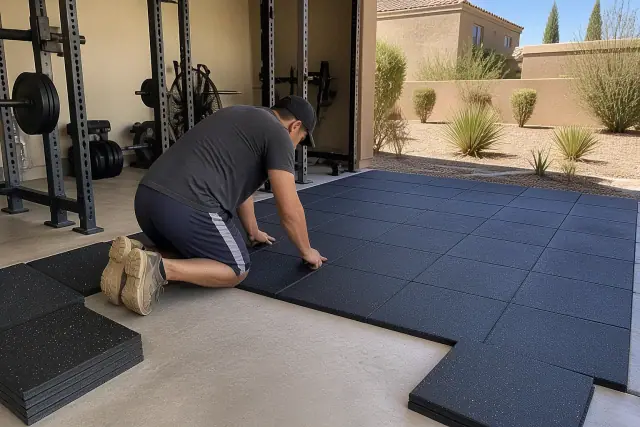
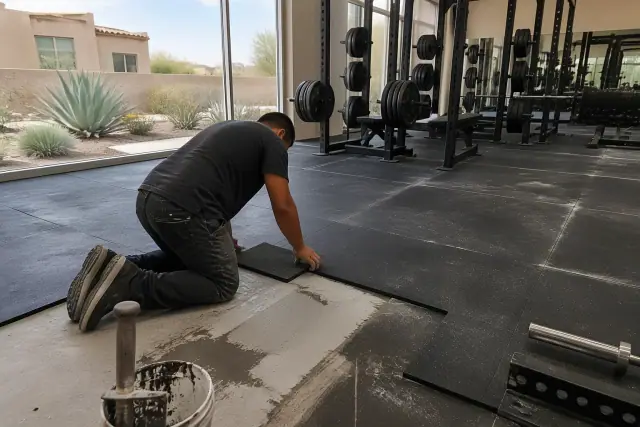
Technician installing rubber gym flooring on a concrete slab in Gilbert, AZ.

We install rubber flooring for garage gyms, spare bedrooms, casitas, and dedicated workout rooms, matching the surface to racks, cardio equipment, yoga use, and dropped plates. A two-car lifting space needs a different plan than a low-impact fitness room. Explore Service.

Explore Service

Garage Rubber Flooring Installation

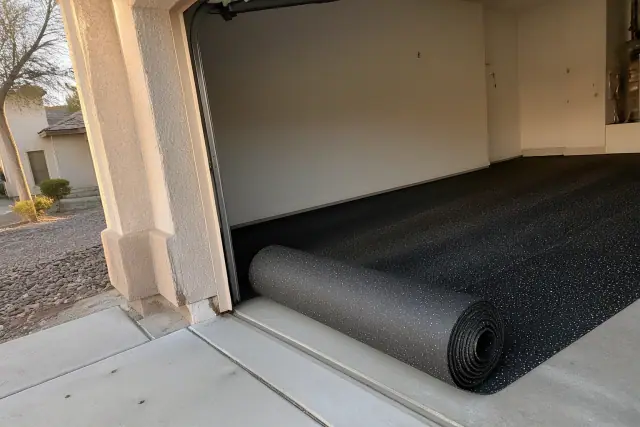
Worker unrolling recycled rubber flooring sheets on a clean concrete garage floor in Gilbert, AZ.

Garage installations begin with slab, moisture, crack, and level checks before mats, tiles, or rolls are selected. The plan accounts for Arizona heat cycling, open-door UV exposure, equipment placement, and transitions at the garage threshold. Explore Service.

Explore Service

Basement Rubber Flooring Installation

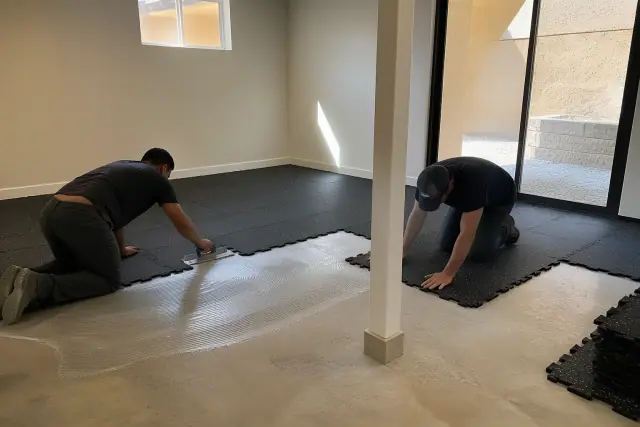
Contractors installing rubber flooring in a basement in Gilbert, AZ.

Basement rubber flooring should be selected only after the concrete is checked for moisture, cracking, and level variance. Equipment load, room use, seams, and doorway transitions guide whether mats, interlocking tiles, or rolled material fit the space. Explore Service.

Explore Service

Rolled Rubber Flooring Installation

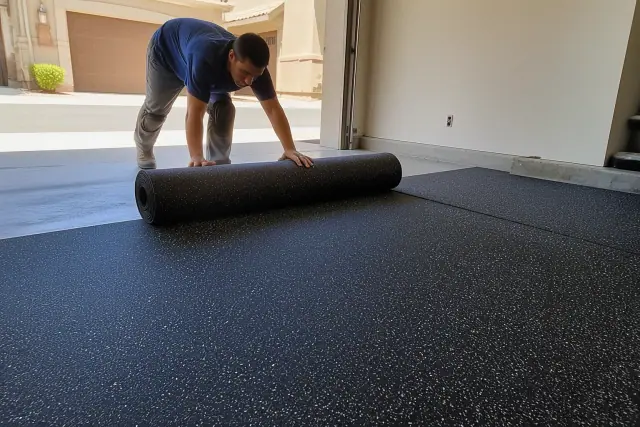
Worker unrolling recycled rubber flooring sheets on a garage concrete floor in Gilbert, AZ.

Rolled rubber creates fewer seams for easier sanitation and smoother movement of racks, carts, or sleds. We cut, seam, and secure each run to the room so the surface lies flat under equipment weight.

Rubber Floor Tile Installation

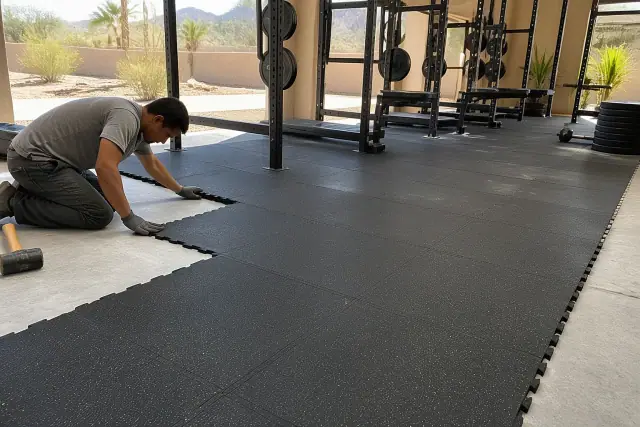
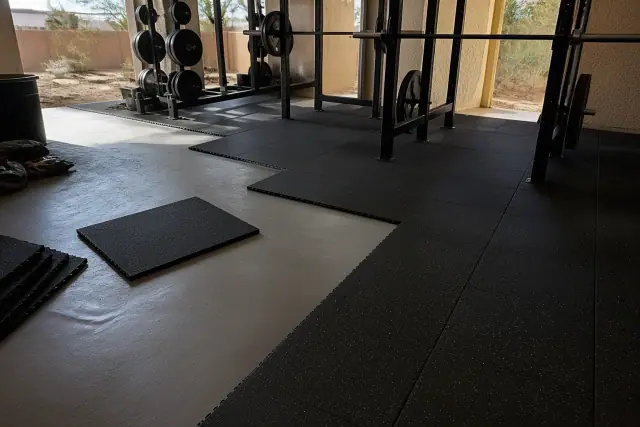
Technician installing interlocking rubber floor tiles in a gym in Gilbert, AZ.

Interlocking tiles create a reconfigurable surface without adhesive, making them useful in rentals, converted offices, and multi-purpose rooms. Beveled edges and careful fitting around corners and doorways reduce trip points and visible gaps.

Commercial Rubber Flooring

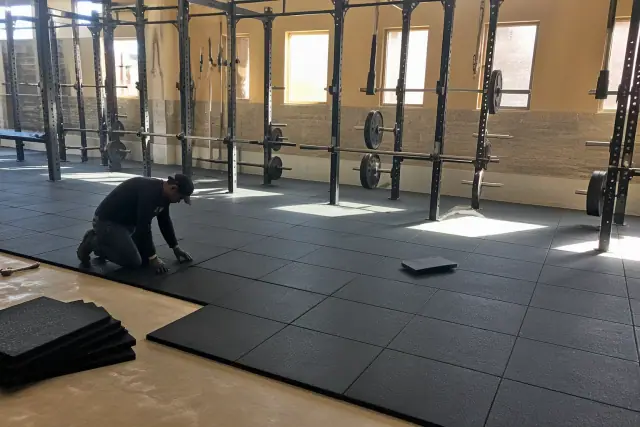
Technician installing rubber flooring tiles in a fitness center weight room in Gilbert, AZ.

Commercial gym floors are zoned for continuous foot traffic, cardio equipment, free weights, and daily cleaning. Material selection and transition detailing reflect the different impact, sanitation, and accessibility needs of each area.

Playground Rubber Surfacing

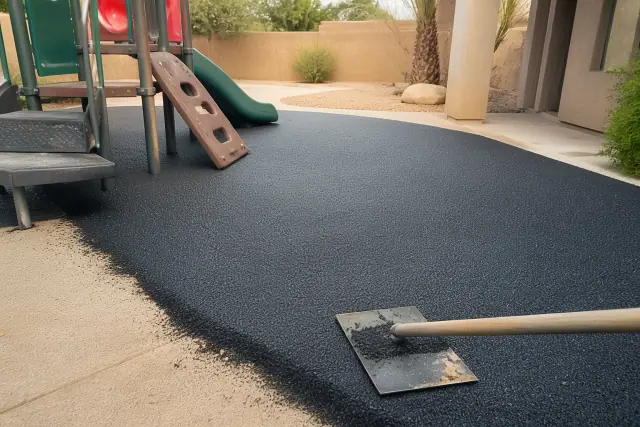
Technician troweling rubber playground surfacing around play equipment in Gilbert, AZ.

Playground rubber surfacing requires a project-specific review of impact areas, drainage, edges, access points, and the supporting base. Surface type and depth should be selected around the site's actual use rather than treated like an indoor gym floor.

Industrial Rubber Flooring

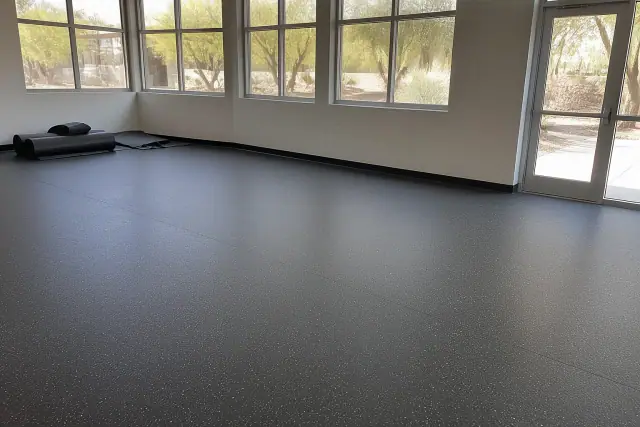
Newly installed rubber flooring in a school multipurpose room in Gilbert, AZ, with visible seams and exterior views.

Industrial rubber flooring should be matched to foot traffic, equipment movement, vibration, cleaning routines, and transition requirements. A site review identifies where a resilient surface is appropriate and where specialized preparation is needed.

Anti-Fatigue Rubber Flooring

Technician installing heavy-duty rubber floor tiles in a Gilbert, AZ gym.

Anti-fatigue rubber flooring can add resilient support in standing work zones while protecting the concrete below. Layout, edge treatment, equipment clearance, and cleaning access all matter when planning the surface.

Rubber Flooring Repair and Replacement

Technician installing rubber floor tiles in a gym weight room in Gilbert, AZ.

We repair separated seams, curling tiles, faded or dried sections, and damaged areas where a full tear-out is unnecessary. Existing material is evaluated for thickness, color, condition, and compatibility before a repair or replacement plan is recommended.

Material Selection

How to Choose Rubber Flooring for a Gilbert Gym

The gym rubber flooring market was valued at $1.82 billion in 2025 and is projected to reach $3.14 billion by 2034, but widespread use does not make every product right for every room. The best fit depends on impact, equipment, subfloor condition, sanitation needs, layout flexibility, and budget. We compare those factors before recommending mats, tiles, rolls, or a poured surface.

Match the Floor to the Load

Cardio and yoga rooms need different protection than power racks, bumper plates, and repeated Olympic lifts. Equipment weight, drop zones, and training style determine the appropriate material and thickness.

Inspect the Concrete First

Moisture, cracking, settling, and level variance can undermine an otherwise good surface. Gilbert's expansive soils and mix of post-tension and older slabs make this inspection an essential first step.

Plan Seams and Room Layout

Rolled rubber allows fewer seams in larger rooms and creates smoother paths for racks, carts, or sleds. Room dimensions, doors, corners, and equipment routes determine how each run should be cut.

Decide How Flexible the Layout Must Be

Interlocking tiles can connect without adhesive, making them easier to reconfigure in rentals or changing workout rooms. Their modular layout still requires careful edge fitting at walls, corners, and doorways.

Account for Cleaning and Sanitation

Few-seam rolled surfaces simplify routine cleaning, while poured-in-place flooring creates a seamless, sanitary finish for demanding commercial spaces. Cleaning frequency and product compatibility should be considered before installation.

Balance Upfront Cost and Long-Term Use

Mats can be a practical starting point, tiles offer modular replacement, rolls reduce seams, and poured surfaces deliver a seamless finish. The right comparison considers material, preparation, installation, expected traffic, and future repairs rather than material price alone.

Gilbert Flooring Challenges

Common Rubber Flooring Problems in Local Gyms

Rubber floors usually fail early because the material, subfloor preparation, or installation method does not match the space. Gilbert garages add severe temperature cycling, monsoon moisture, dust, UV exposure, and slab movement to the usual impact and maintenance demands. Recognizing these problems before installation helps prevent avoidable repairs.

Request Floor Assessment

Heat-Related Warping and Odor

Gilbert garages can reach 115-120°F in July and August, while seasonal surfaces can swing from near-freezing mornings to well over 100°F. Low-grade foam, PVC, or rubber may warp, delaminate, curl, or off-gas under that cycling.

Moisture, Cracks, and Slab Movement

Monsoon humidity, moisture intrusion, clay-heavy soils, and existing cracks can destabilize a floor from below. Installing over those conditions without testing and preparation can transfer movement into seams and edges.

Curling Tiles and Open Seams

Poor fitting, weak adhesion, an uneven slab, or an incompatible material can leave curled edges and separated seams. Those gaps create trip points and collect dust, moisture, and cleaning residue.

Impact Noise and Slab Stress

A dropped 45-pound plate on bare concrete sends most of the impact into the slab and the surrounding structure. Proper shock-absorbing rubber helps manage that force and reduces the noise transferred toward neighboring rooms and homes.

UV Fading Near Garage Doors

Sunlight at an open garage door can fade and dry rubber faster than an interior installation. Material placement, edge condition, and exposure should be reviewed when discoloration or brittleness appears.

Damage from the Wrong Cleaner

Harsh or incompatible cleaning products can break down the rubber compound and shorten the floor's working life. Maintenance should remove sweat, dust, and residue without leaving a slick film or attacking the surface.

Why Choose Us

Why Choose Phoenix Rubber Flooring in Gilbert?

A durable gym floor depends on more than the visible rubber. Our work combines local slab awareness, use-based material planning, careful transitions, and a complete installation process. That approach serves Gilbert home gyms, CrossFit boxes, physical therapy clinics, apartment fitness centers, and commercial weight rooms.

Local Subfloor Experience

Newer homes built in the last decade around Agritopia and the Discovery corridor often use post-tension slabs, while older properties near the Heritage District may show settling or minor cracking. We adapt preparation and anchoring decisions to the slab in front of us.

Performance-Minded Commercial Details

Commercial installations are planned around ASTM F2772 impact attenuation benchmarks, ADA-compliant doorway transitions, and slip-resistance considerations referenced by the National Floor Safety Institute. Scope can also affect inspection expectations through the Town of Gilbert Building Safety Division.

Complete Installation Follow-Through

Our crew handles inspection, measurement, site preparation, cutting, seaming or interlocking, doorway transitions, edge trim, and final cleanup. Because the crew works with rubber flooring daily across the East Valley, each stage stays connected from specification through walkthrough.

Six-Step Process

Our Gilbert Rubber Flooring Installation Process

Every project moves from room and subfloor evaluation to material planning, preparation, installation, and a final walkthrough. The sequence changes slightly for mats, tiles, rolls, and poured surfaces, but the floor is always planned around its actual use.

01.

Measure the Space and Define Its Use

We measure the room and review racks, cardio machines, sled paths, dropped weights, cleaning needs, and traffic. This establishes the load and performance requirements for each zone.

02.

Inspect the Subfloor

The concrete is checked for moisture, cracks, settling, and level variance. Post-tension conditions, thresholds, and other details that affect anchoring or transitions are identified before material is ordered or cut.

03.

Select the Material and Confirm the Quote

We compare mats, interlocking tiles, rolled rubber, and poured-in-place options against the room's impact, sanitation, flexibility, and finish needs. The selected scope is then reflected in a firm quote before work begins.

04.

Prepare and Dry-Fit the Floor

The area is cleared and cleaned, and cracking or leveling issues are addressed as needed. Rolls or tiles are dry-fit around walls, doorways, corners, and equipment zones before final cuts are made.

05.

Install, Seam, and Detail Transitions

Rolled material is trimmed and secured, tiles are interlocked and edge-fitted, and poured material is placed for its required cure. Doorways, thresholds, perimeter edges, and multi-zone transitions receive final detailing.

06.

Walk Through and Clean Up

We check seams, transitions, edge trim, and the overall fit with the customer. Packaging, offcuts, and adhesive residue are removed so the space is ready for the next step in setup after any required cure period.

Project Outcomes

Rubber Flooring Outcomes for Gilbert Homes & Training Facilities

Case Study 1: A garage or spare-room gym gains a fitted surface that protects the slab, stays positioned under equipment, and supports the room's actual mix of lifting, cardio, and mobility work.

Case Study 2: A CrossFit or functional training floor can separate heavy drop zones from general training areas, controlling impact where it is highest without overspecifying every square foot.

Case Study 3: A commercial fitness space gains a cleaner circulation plan, durable equipment zones, manageable seams, and carefully detailed transitions for daily traffic and sanitation.

Plan Your Gilbert Floor

Schedule a Rubber Flooring
Project
Consultation

Tell us how the room will be used, what equipment it will hold, and what condition the concrete is in. We can compare practical material options and prepare an estimate for your Gilbert home or commercial fitness space.

Gilbert Flooring Help

FAQs About Rubber Gym Flooring in Gilbert, AZ

These answers cover material cost, installation time, thickness, climate, repairs, maintenance, and service coverage for Gilbert rubber flooring projects.

Call Our Flooring Team

Material pricing for rolls and tiles typically runs from $2.20 to $4.30 per square foot. Fully installed rubber tile projects average around $10 per square foot total, while poured-in-place systems land closer to $16 per square foot. Preparation, thickness, layout, transitions, and project size can change the final quote.

Most residential mat and tile jobs finish in a single day. Poured-in-place surfaces typically need 24 to 48 hours of curing time depending on temperature and humidity. Larger commercial projects with poured surfaces or multiple zones can take two to four days depending on square footage.

Residential rooms commonly use 3/8-inch to 3/4-inch flooring based on load and dropped-weight use. CrossFit drop zones may use 3/4-inch to a full inch, tapering to 3/8-inch in general training areas. The final choice should reflect the equipment and how each zone is programmed.

Interlocking tiles are useful when you want an adhesive-free, reconfigurable floor, while rolled rubber minimizes seams across larger spaces. Tiles typically range from 20mm to 1-inch thick, and rolls can be supplied up to 4 feet wide and 50 feet long. Room shape, sanitation needs, equipment movement, and future changes help determine the better fit.

A quality rubber compound is better suited to severe thermal cycling than cheap foam or low-grade materials, but product selection and installation still matter. The slab, garage-door exposure, ventilation, seams, and adhesive requirements should all be reviewed for the space.

Often, yes. Separated seams, curling tiles, and localized faded or damaged areas may be repaired or selectively replaced when compatible material can be matched. The surrounding floor should be evaluated before deciding whether a partial repair is practical.

Poured-in-place flooring is useful when a commercial facility values a seamless, sanitary finish and a continuous surface around complex areas. It requires more installation and curing time than mats or interlocking tiles, so schedule and site conditions need to be planned carefully.

Rubber mats can be an affordable way to protect targeted areas beneath treadmills, bikes, racks, or weights. They can also suit a homeowner testing a garage-gym layout before committing to a full-room floor. Accurate cutting and a stable footprint help prevent movement under equipment.

Commercial floors should separate high-impact lifting areas from cardio and general traffic zones. Daily sanitation, slip resistance, accessible doorway transitions, equipment movement, and repeated loading all influence the specification and layout.

Rubber flooring follows the condition of the concrete beneath it. Moisture, cracks, settling, expansive-soil movement, or level variance can contribute to open seams, curling edges, and trapped debris if they are ignored. Inspection and preparation reduce those avoidable failure points.

Coverage includes Gilbert neighborhoods and areas such as the Heritage District, Morrison Ranch, Power Ranch, Seville, Agritopia, Val Vista Lakes, Circle G Ranches, Higley, Sossaman Estates, and the SanTan Village area. The service radius also extends to Chandler, Mesa, Queen Creek, Tempe, and Scottsdale for residential and commercial rubber flooring projects.

Rubber flooring can serve home and garage gyms, CrossFit boxes, physical therapy clinics, apartment fitness centers, corporate wellness rooms, studios, and commercial weight rooms. Material and layout should be matched to each facility's impact, traffic, equipment, and cleaning requirements.

Use cleaning products that are compatible with the rubber compound and do not leave a slick residue. Routine removal of dust, sweat, and debris helps protect seams and surface condition. Damaged or curling areas should be assessed before they become larger trip or sanitation problems.

Rubber absorbs part of the shock from dropped weights, jump training, and moving equipment, reducing the energy transferred into the slab and surrounding rooms. Thickness, density, subfloor condition, and drop-zone design all affect the result.

A professional installation includes subfloor evaluation, material planning, precise cutting, seam or interlock work, and doorway transition detailing. Those steps help prevent shifting tiles, curling edges, gaps, and moisture traps that often follow inadequate preparation.